Solar Panel Recycling Equipment

One engineered line for PV module deframing, glass removal and high-value material separation.

Discover
1973Manufacturing roots
50+Years of equipment know-how
2-stageDismantling and recovery
6+Recoverable material fractions
01 / Complete Solution

From retired module to separated resources

The line combines careful front-end dismantling with controlled back-end liberation. Valuable parts are removed early, while the remaining laminate is reduced and separated in a closed, dust-managed process.

01

Deframing & glass removal

Hydraulic positioning separates the aluminum frame without unnecessary breakage. A dedicated glass-removal group then peels or detaches the glass layer to prepare a clean laminate for downstream processing.

  • Automatic feeding and positioning
  • Frame recovery with reduced manual handling
  • Mechanical or thermal route selected by module type
Automatic solar panel aluminum frame removal machine
02

Size reduction & physical separation

The stripped laminate is shredded, crushed and ground until metals and silicon-rich material are liberated. Gravity and high-voltage electrostatic separation then split conductive and non-conductive fractions.

  • Two-shaft shredding followed by controlled crushing
  • Closed pneumatic transfer and pulse dust collection
  • Density and electrostatic separation for cleaner outputs
Solar module recycling line with shredding grinding and separation equipment
02 / Working Principle

A clear path through the complete process

Each operation has one job: remove intact value first, then progressively liberate and classify the remaining composite.

01

Feed

Identify module construction and remove junction box/cable where required.

02

Deframe

Hydraulic action releases the aluminum perimeter frame.

03

De-glass

Glass is mechanically detached; difficult laminates may use controlled heat.

04

Shred

Dual shafts reduce the laminate into manageable pieces.

05

Crush

SKD-11 blades provide secondary size reduction.

06

Grind

Fine liberation separates attached metal and silicon particles.

07

Screen

Particle size is stabilized before precision separation.

08

Gravity

Density difference splits heavy metal-rich and light fractions.

09

Electrostatic

Conductivity separates metal from non-metal material.

10

Collect

Products are bagged while enclosed dust is filtered.

Optional thermal delamination/pyrolysis is configured only when module construction and local environmental requirements make it appropriate.

03 / Core Equipment

Built as a line. Available as individual machines.

Choose a stand-alone deframer, a front-end dismantling cell, or a complete turnkey process from panel loading to separated products.

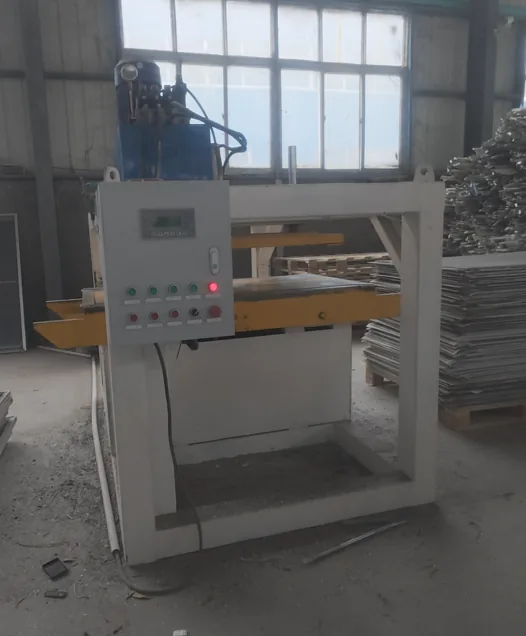
ZKFSCK solar panel deframing machine front view
Front-end / ZKFSCK

Solar Panel Deframing Machine

A rigid frame, guided working table and hydraulic removal system detach aluminum profiles from retired PV modules. The compact unit reduces intensive manual prying and prepares modules for controlled glass removal.

Installed power
3.5 kW
Machine weight
1,500 kg
Dimensions
2,100 × 1,380 × 2,000 mm
Configuration
Standalone or inline
Request deframer details
Complete photovoltaic panel recycling equipment installed in workshop
Back-end / Configurable line

PV Module Recycling & Separation Line

Shredding, crushing, grinding, screening, gravity separation and electrostatic separation are linked by enclosed conveyors. The system is engineered to reduce cross-contamination and keep product flow stable.

Shredder
2 × 22 kW
Crusher
45 kW / SKD-11 blades
Grinding unit
55 kW
Dust filtration
100 m²
View full configuration
04 / Why Cronus

Industrial discipline at every transfer point

The value of a recycling line is not one machine. It is stable feeding, predictable liberation, clean separation and support that continues after start-up.

Discuss Your Feed Material
01

Process matched to the module

Mono-glass and double-glass panels behave differently. We select mechanical or thermal pretreatment after feed review and testing.

02

Staged liberation

Progressive shredding, crushing and grinding avoids unnecessary over-processing and supports better downstream classification.

03

Closed material handling

Pneumatic transfer, cyclone collection and pulse filtration reduce fugitive dust and keep the workshop easier to manage.

04

Durable contact parts

Q235 main structures, SKD-11 crusher blades and stainless-steel screening surfaces are specified at key wear points.

05

Flexible line architecture

Individual equipment, front-end cells and complete lines can be arranged around available floor space, utilities and target capacity.

06

Manufacturer-backed service

Layout, commissioning, training and genuine spares come from one engineering and manufacturing team.

05 / Recovery Outputs

Turn composite waste into marketable fractions

Output composition varies by panel generation and process route. Sample testing establishes practical purity and recovery targets before final line design.

Recovered aluminum pieces from photovoltaic module recycling
AluminumFrame profiles and liberated metal fraction
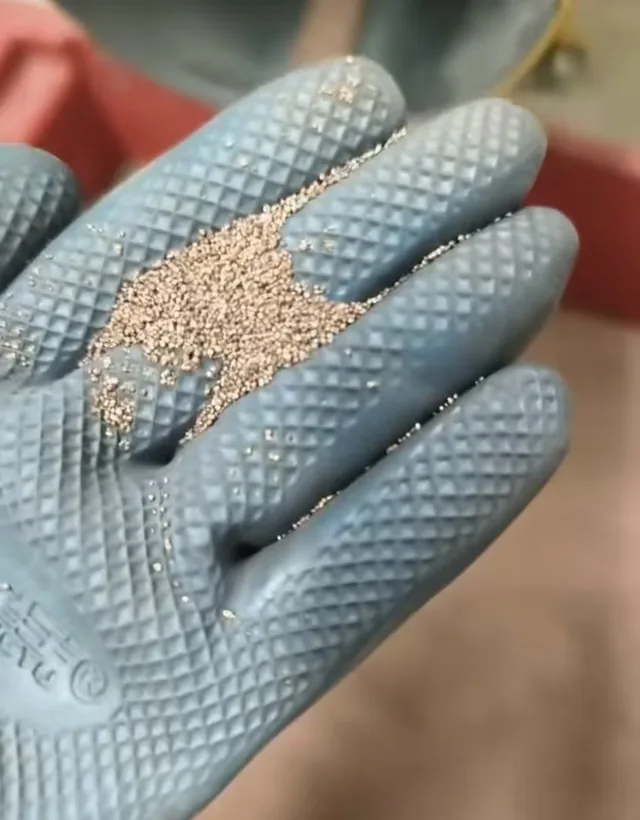
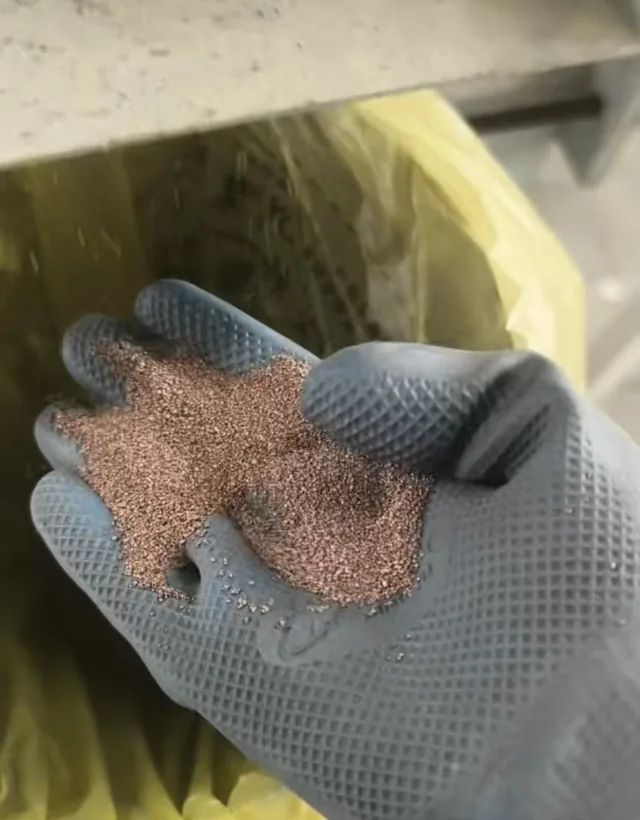
Recovered copper granules from solar panel recycling
CopperCable and conductive metal concentrate
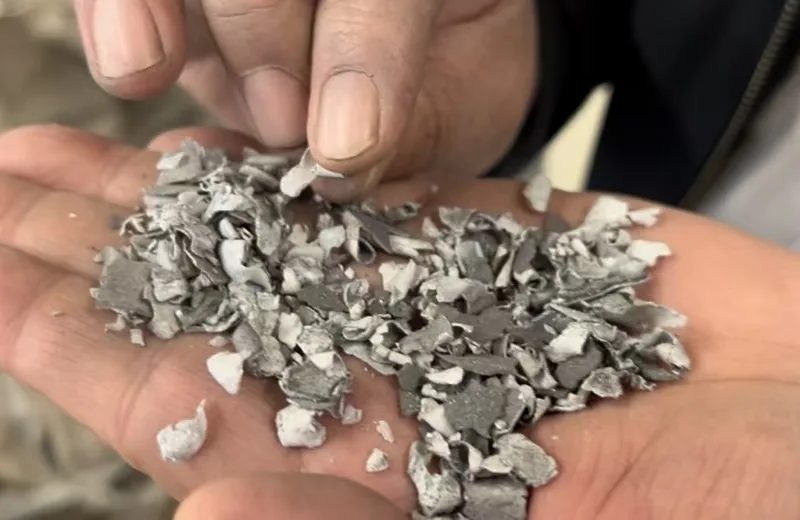
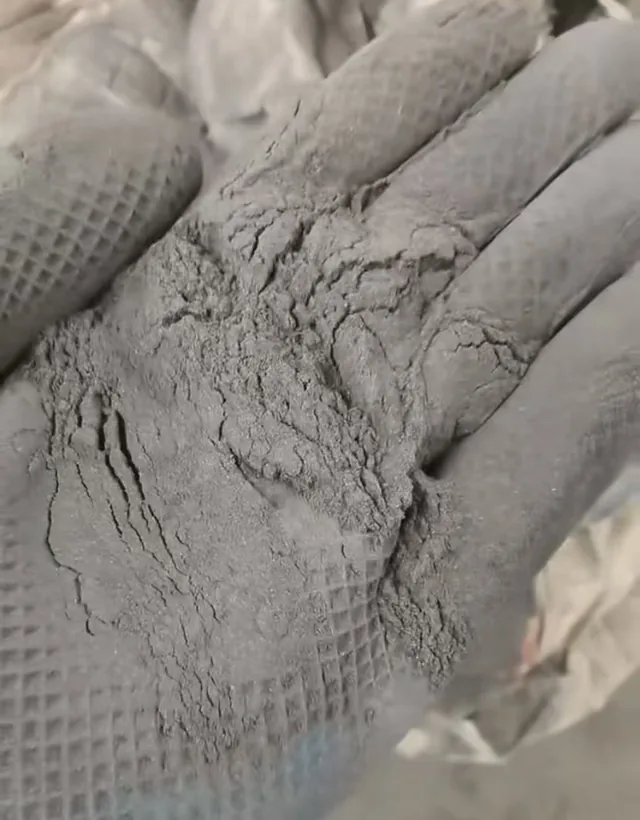
Silver and silicon rich powder recovered from solar cells
Silver + siliconFine cell-material concentrate for refining
Clean non-ferrous metal granules separated from recycled PV panels
Metal concentrateConductive fraction after physical separation
GlassEVA / polymerSilicon-rich powderFerrous metalNon-ferrous metal
06 / Reference Configuration

Equipment performance parameters

The following values come from the supplied reference configuration. Capacity, voltage, layout and final installed power are confirmed for each project.

Process equipmentModelQty.PowerKey construction / parameter
Solar panel deframerZKFSCK13.5 kW1,500 kg; 2,100 × 1,380 × 2,000 mm
Glass removal groupZKFSTB135 kW2,400 kg; 5,630 × 2,350 × 1,540 mm
Two-shaft shredderZKFSSS-60012 × 22 kWLow-speed primary size reduction
Secondary crusherZKFSPS-800145 kWQ235 body; SKD-11 blades
Grinding systemZKFSYM-600155 kWMetering bin, mill, fan, cyclone, rotary valve and vibratory screen
Gravity separatorZKFSBF14.5 kW1.28 m² deck; 304 stainless-steel screen
Pneumatic conveyorZKFSQS55 × 3 kWDuct, induced-draft fan, cyclone and rotary valve
High-voltage electrostatic separatorZKFSJF11.2 + 2.2 kWQ235 body; dual separation rollers
Screw conveyorZKFSLS13 kW4 m transfer length; direct-connected reducer
Pulse-jet dust collectorZKFSMC118.5 kW100 m² filtration; membrane polyester needle felt bags
Dust collection ductZKFSCG1 setProject-specificQ235; routing engineered to plant layout
Indicative listed power: approximately 226.9 kWExcludes project-specific auxiliaries and optional thermal systems.
07 / Project Footage

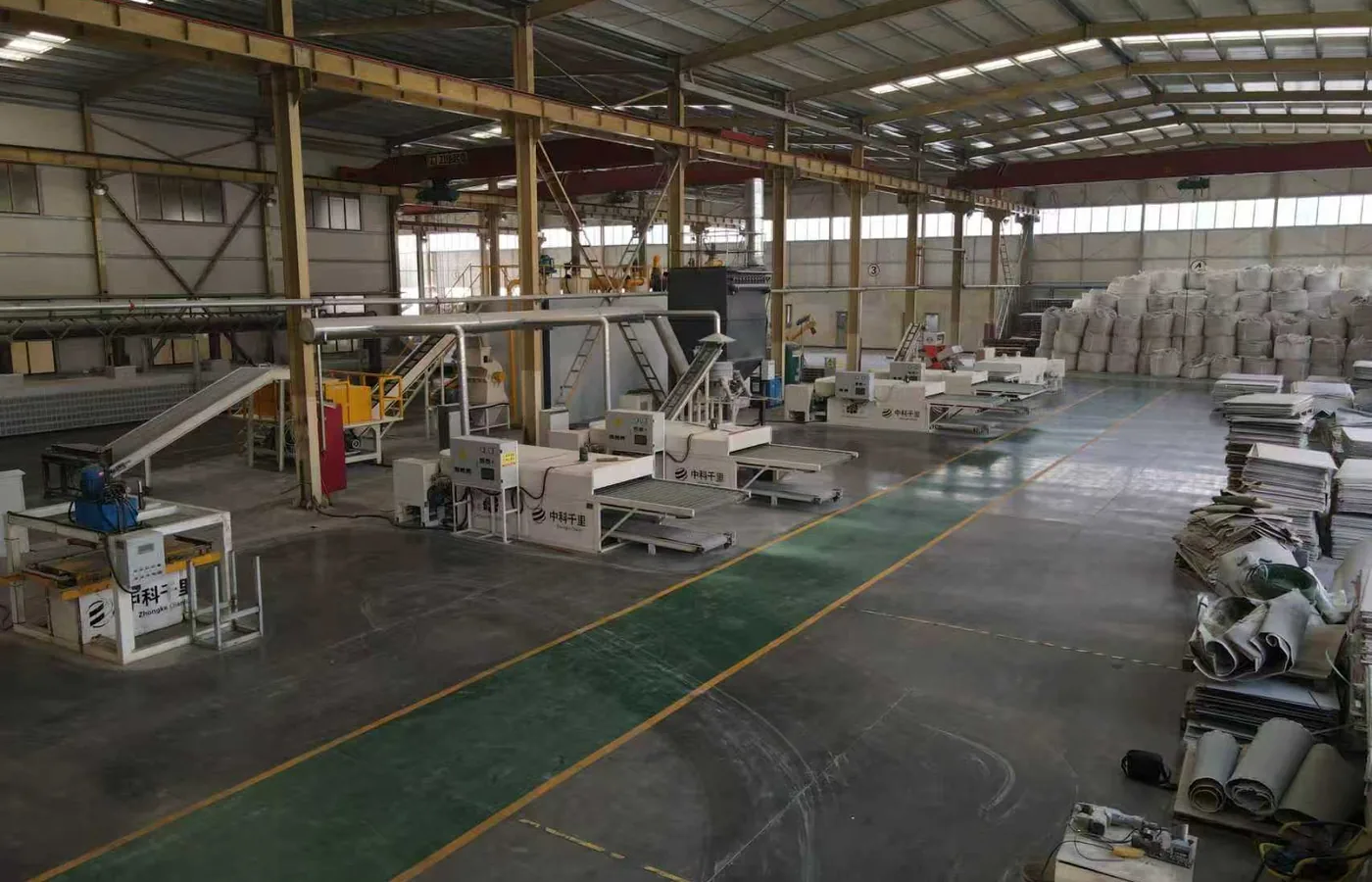
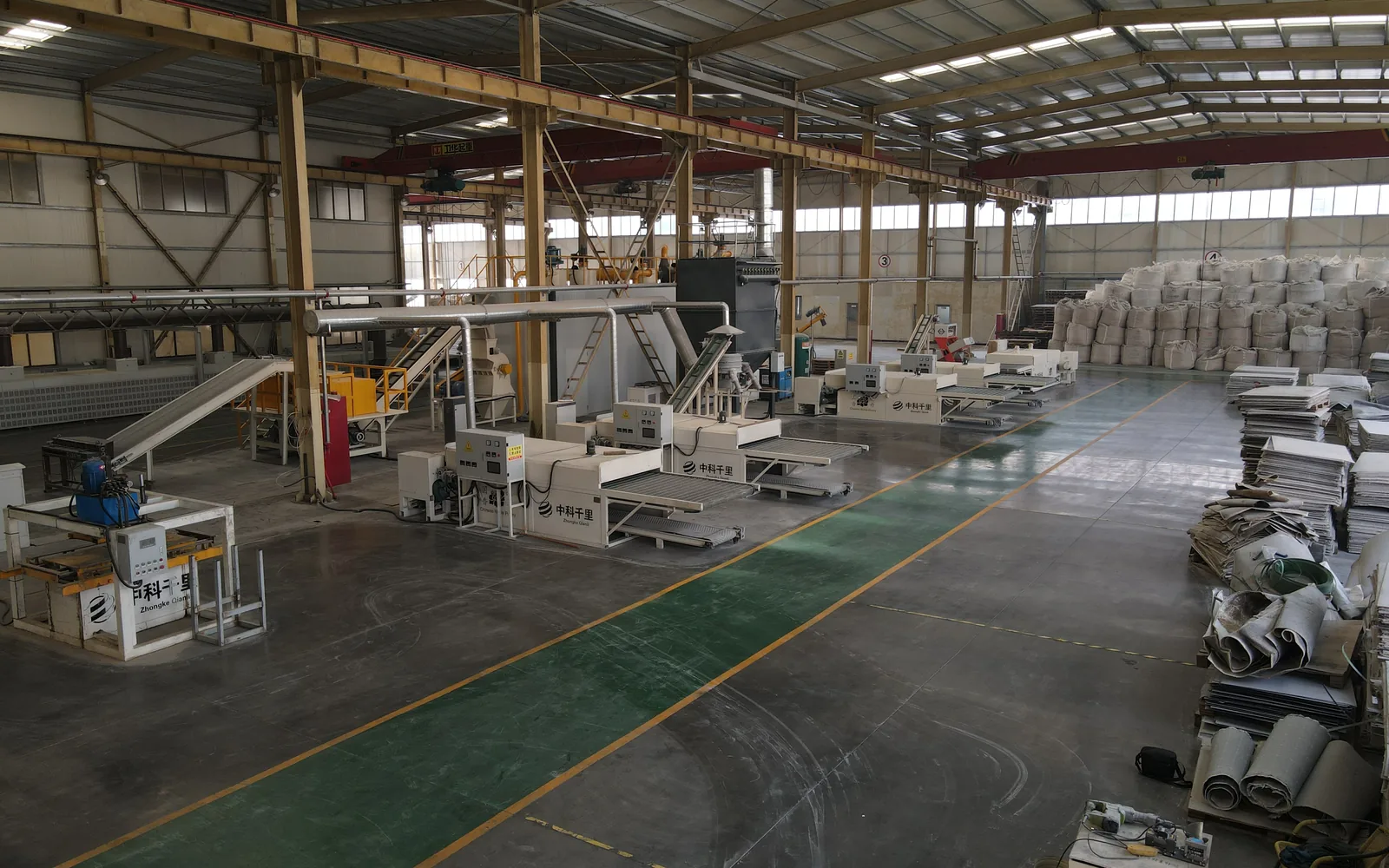
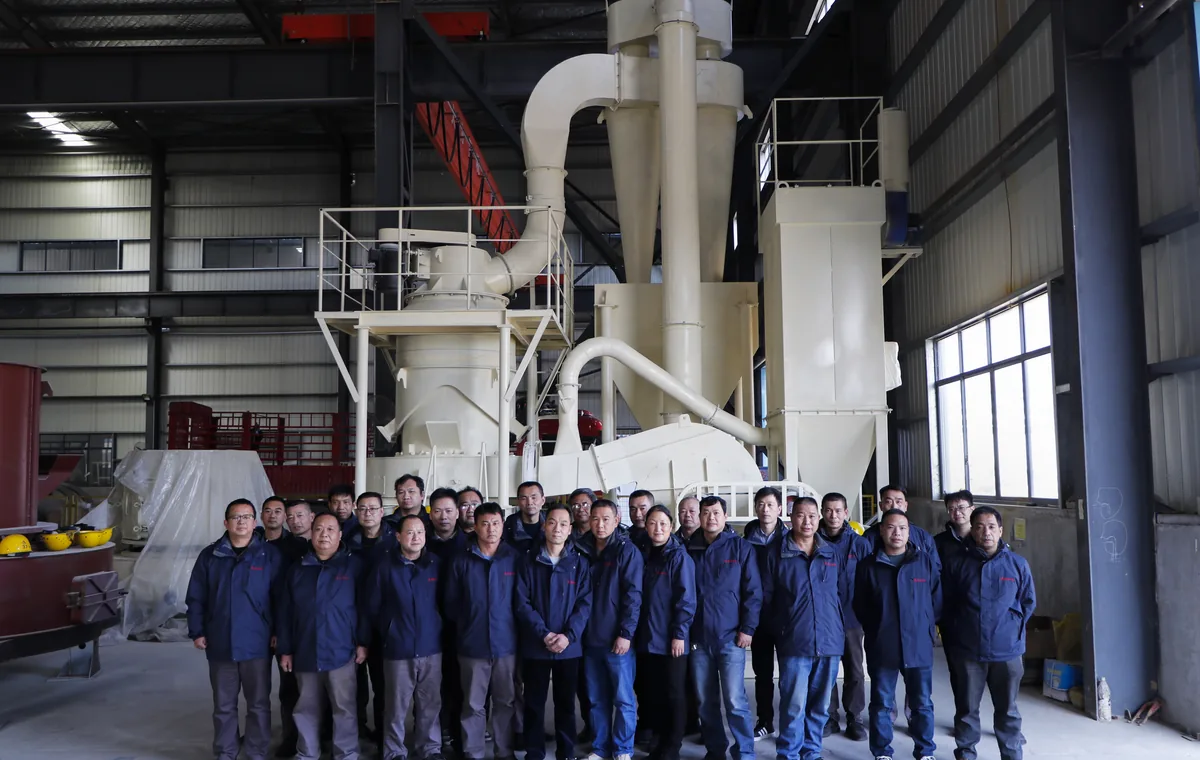
Installed PV module dismantling and recycling workshop

This operating line integrates multiple front-end dismantling stations with enclosed size reduction, collection and separation equipment. The workshop layout leaves clear access for feeding, maintenance and product handling.

Feed
Retired crystalline-silicon PV modules
Front end
Deframing and glass removal
Back end
Crushing, grinding and physical separation
Engineering scope
Process, layout, equipment and commissioning
Request a Similar Layout
08 / Technical Comparison

Why an integrated line performs differently

Decision factorCronus integrated lineManual / fragmented setup
Process continuityMatched feed, transfer and separation stagesFrequent rehandling between unrelated machines
Material controlProgressive liberation protects valuable fractionsOne-step crushing can create mixed fines
Dust managementCentralized enclosed collectionLocal extraction added after installation
AutomationInterlocked line and coordinated controlsIndividual start/stop and manual transfer
Engineering responsibilityOne supplier for process, layout and commissioningMultiple interfaces and unclear ownership
Lifecycle supportOEM spares, own foundry resources and service teamParts sourced case by case
09 / Wear Parts

Keep the line productive with the right spares

Cronus supplies original drawings, matched materials and inspection records. Our manufacturing base and foundry resources help control quality, lead time and cost.

01

Shredder knives

Heat-treated cutting elements and spacers matched to shaft geometry.

02

Crusher blades

SKD-11 wear parts for consistent cutting and dependable service life.

03

Screens & liners

Size-control screens, stainless decks and abrasion-resistant liners.

04

Grinding elements

Matched wear profiles produced to original equipment tolerances.

05

Conveyor components

Screws, belts, bearings, seals, rotary valves and drive components.

06

Filter bags

Membrane-coated polyester needle felt bags for the pulse collector.

Genuine OEM fitOwn foundry resourcesQuality inspectionPractical pricingExport-ready packing
10 / About Cronus

International recycling expertise backed by manufacturing since 1973

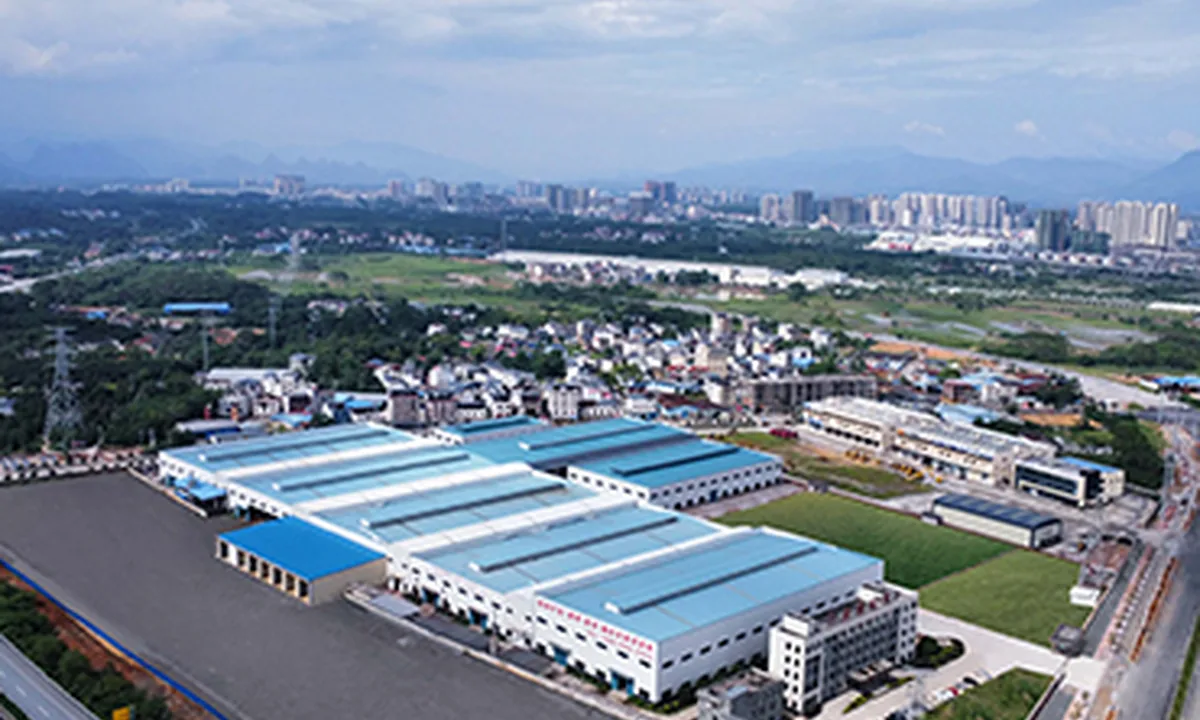
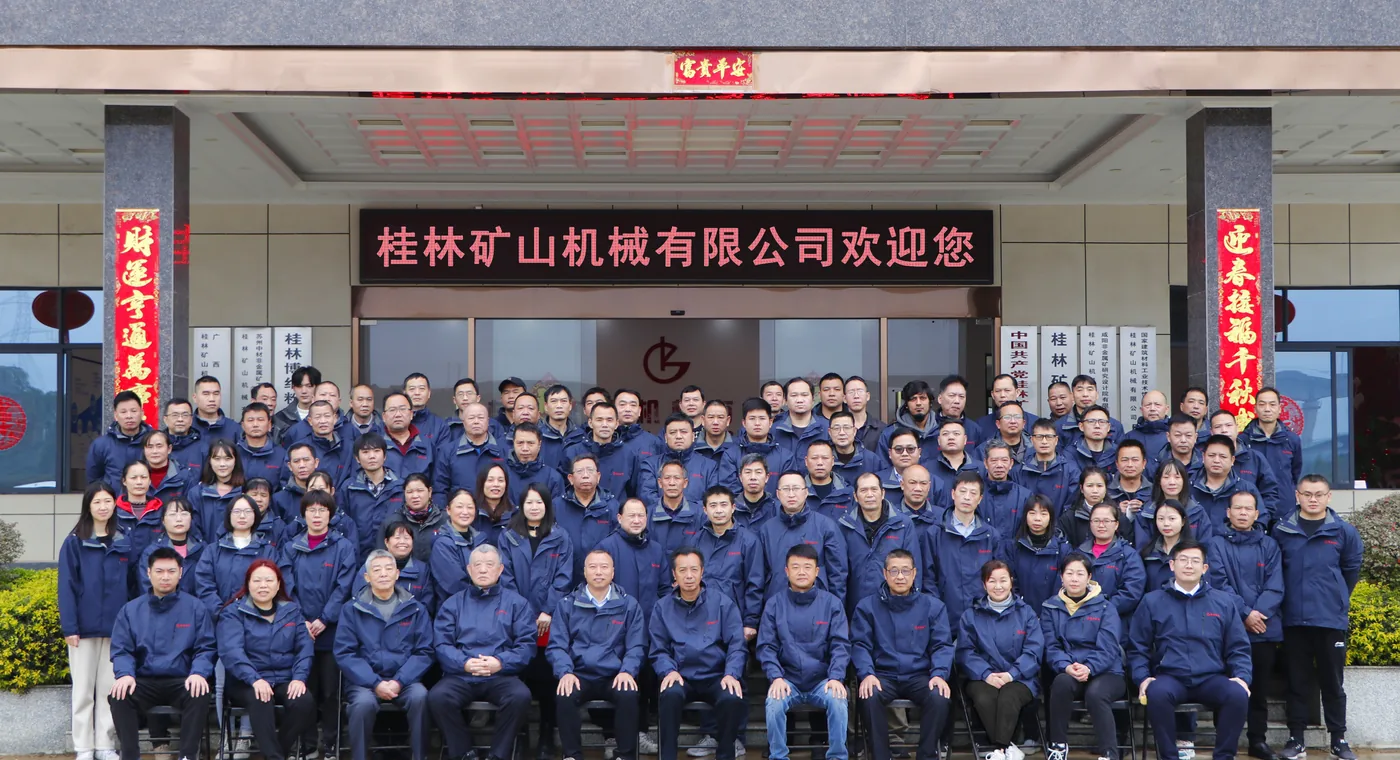
Cronus is the international business subsidiary of Guilin Mining Machinery Co., Ltd. (GuiKuang). Founded in 1973, GuiKuang has accumulated more than five decades of experience in equipment design, heavy fabrication, machining, assembly and global project service.

That manufacturing foundation supports every Cronus recycling project: process engineers evaluate the feed, mechanical teams configure the line, production teams control critical components, and service engineers follow the equipment through commissioning.

Learn about Cronus
Aerial view of Guilin Mining Machinery manufacturing factoryGuilin manufacturing base
50+years manufacturing
CErelevant equipment documentation
ISOquality, environment and safety systems
R&Dpatents and technical center
11 / Verified Manufacturing

Credentials built over decades

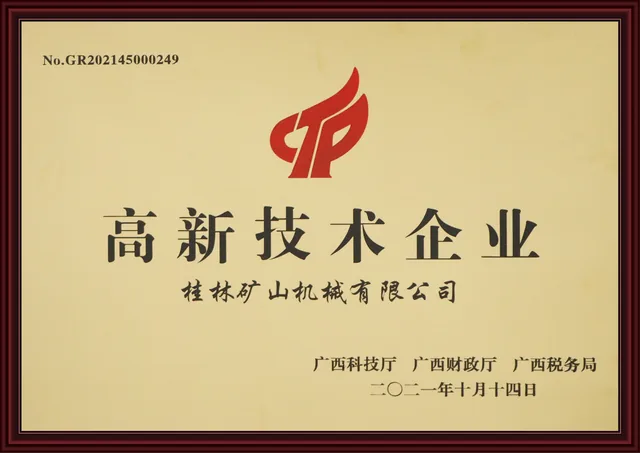
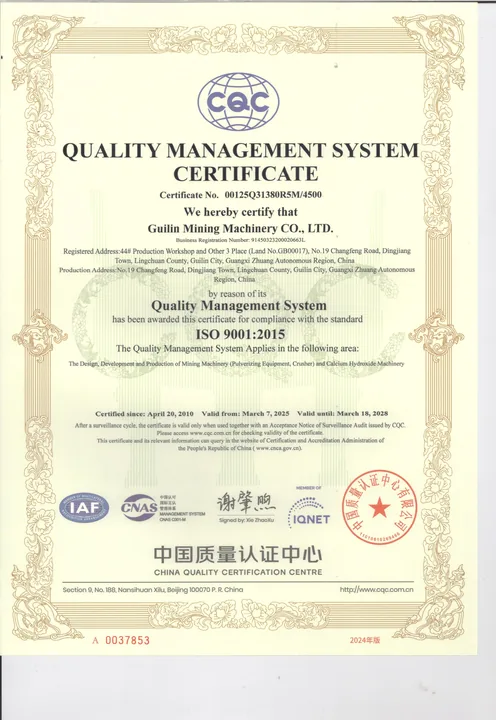
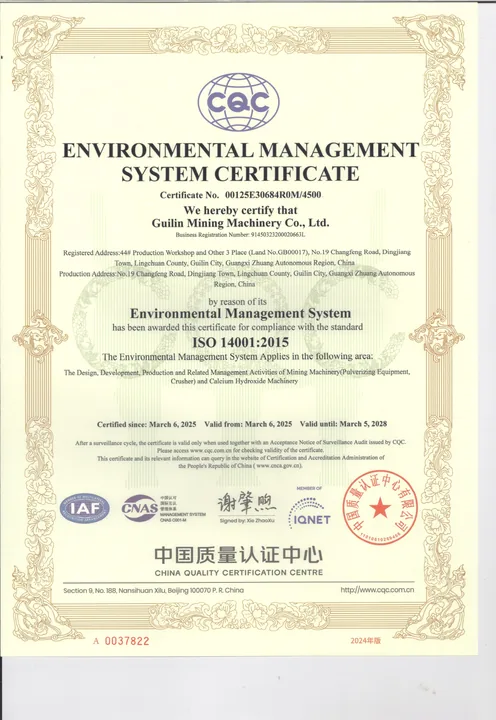
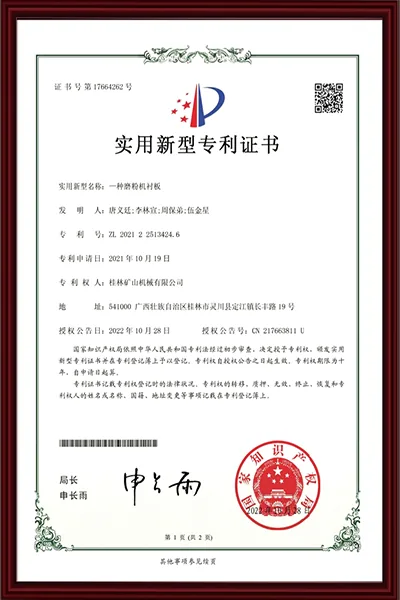
Corporate recognition includes High-Tech Enterprise status, invention and utility model patents, ISO management-system certifications and CE documentation for applicable equipment.

High-Tech Enterprise certificate of Guilin Mining Machinery
High-Tech Enterprise
ISO quality management system certificate
ISO Quality Management
ISO environmental management system certificate
ISO Environmental Management
Utility model patent certificate held by Guilin Mining Machinery
Patented Technology
12 / Service Support

Support from first sample to stable production

One technical contact coordinates your process, equipment and commissioning requirements across the full project lifecycle.

01

Feed evaluation

Module type, construction, dimensions, contamination and product goals.

02

Process design

Material test, equipment selection, mass flow and utility definition.

03

Layout engineering

Footprint, access, foundations, electrical and dust-collection routing.

04

Manufacture & FAT

Production inspection, assembly checks and factory acceptance testing.

05

Installation

Remote or on-site guidance, commissioning and operator training.

06

Lifecycle service

Process optimization, maintenance planning and genuine spare parts.

Bring us your panel sample.We will help define a practical route before you commit to the line.
Arrange a Material Test
13 / FAQ

Questions before planning a PV recycling line

Technical answers for buyers evaluating a deframing machine or a complete photovoltaic module recycling plant.

Ask our engineers
What types of solar panels can the line process?

The line is designed for retired crystalline-silicon PV modules, including conventional mono-glass and suitably configured double-glass modules. Feed trials confirm the correct glass-removal or thermal-delamination route.

What materials can be recovered?

Typical fractions include aluminum frame, glass, copper, silver-bearing material, silicon-rich powder and polymers such as EVA. Actual purity depends on module construction and process settings.

Is the deframing machine available separately?

Yes. The ZKFSCK can be supplied as a stand-alone unit or integrated with glass removal and downstream recycling equipment.

Does every project require pyrolysis?

No. Mechanical glass removal and physical separation are preferred where the feed allows. Controlled thermal delamination or pyrolysis is optional for EVA-rich or difficult laminates and must meet local environmental requirements.

How is dust controlled?

The reference line uses enclosed transfer, pneumatic collection, cyclones and a 100 m² pulse-jet bag filter with membrane-coated polyester needle felt.

Can line capacity be customized?

Yes. Capacity, automation, layout, final product targets and utilities are engineered from the panel mix, throughput target and site conditions.

What information is needed for a proposal?

Share module type, dimensions, glass configuration, required capacity, desired outputs, available floor space, voltage and local emission requirements.

Can Cronus test customer material?

Sample testing can be arranged to validate the process route, observe liberation behavior and establish practical equipment settings.

What installation support is available?

We provide layout review, foundation and utility guidance, installation coordination, commissioning, operator training and ramp-up support.

Which parts are common wear items?

Typical wear items include shredder and crusher blades, screens, liners, grinding elements, conveyor components, seals, bearings and filter bags.

How long does delivery take?

Lead time depends on line scope and customization. A project schedule is issued after process confirmation, layout approval and order review.

How do I obtain a quotation?

Send the required capacity, module information, destination country and preferred line scope to sales@shcronus.com or WhatsApp +86 199 2122 1418.

14 / Start Your Project

Tell us what you need to recycle

Share your module type, capacity and site conditions. Our engineers will respond with a recommended process route and the information needed for a budgetary proposal.

Phone / WhatsApp+86 199 2122 1418 Emailsales@shcronus.com
AddressRoom 801, Building 2, Shanghai Zhicheng, No. 8666 Hunan Road, Pudong New Area, Shanghai, China